Small Things, Big Resets: Portable Relief for Everyday Care
Caregiving rarely gives you long breaks. Today we dive into pocket-sized recovery tools for caregivers and parents—portable items and practices that fit a palm or pocket, restore steadiness within moments, and help you return to challenges with clarity, compassion, and sustainable energy. Expect science-backed ideas, warm stories, and practical steps you can use immediately, even between a diaper change, a medication reminder, a math worksheet, or a midnight worry.
Neuroscience You Can Carry
Your autonomic nervous system responds rapidly to tactile input, breath rhythm, and predictable repetition. A smooth stone, an acupressure ring, or a mini resistance band can cue parasympathetic tone, while paced breathing nudges carbon dioxide levels toward calm. These micro-signals say, “You are safe enough right now,” so your thinking brain returns online and choices feel possible again, even beside a hospital bed or a busy playground.
Moments, Not Minutes
You do not need thirty uninterrupted minutes to feel better. Ten steady breaths while waiting for the microwave, a two-sense grounding pause before answering a hard question, or thirty seconds of shoulder rolls after buckling a car seat can meaningfully help. Moments stitched together across a day create a buffer that protects patience when kids refuse shoes or a parent repeats the same worried story again.

Build Your Pocket Kit
A good pocket kit respects space, safety, and your real routines. Choose sturdy, quiet, scent-considerate items that withstand crumbs, jacket washes, and fast hands. Mix sensory anchors, breath guides, and tiny words of encouragement. Keep duplicates in key places: stroller pouch, work badge lanyard, car console, diaper bag, or scrubs pocket. The goal is instant access, zero friction, and comforting familiarity when stress surges unexpectedly.

Breath, Ground, Move: Micro-Practices Anywhere
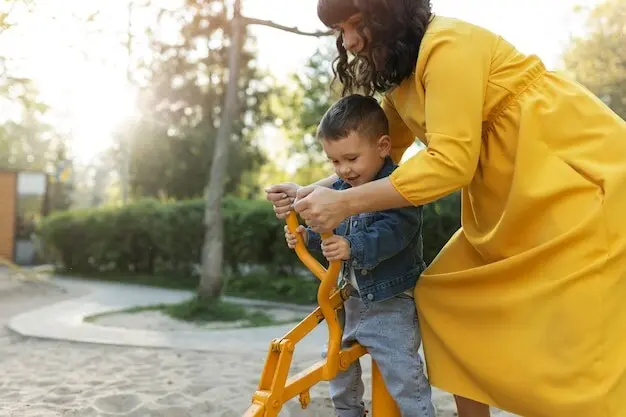
Micro-practices work best when clear, countable, and finishable. Pair one simple breath pattern with a grounding step and a brief movement you can complete standing in a hallway or leaning over a crib. Think box breathing with a five-senses scan and two slow neck rolls. Rehearsed together, they become automatic, reliable, and kind to your limited attention.
Caring for the Carer While Caring for Others
Compassion for others is strongest when you include yourself. Portable resets are not luxuries; they are protective equipment for your mind. Use short boundary scripts, shared cue cards, and co-regulation games so care feels collaborative, not sacrificial. When practiced consistently, these habits model resilience for children and preserve attuned presence with elders, even on long days filled with repeated requests.

Evidence, Safety, and Adaptations
What Studies Suggest
Research on paced breathing and the physiological sigh indicates rapid reductions in subjective stress. Microbreaks during shift work improve fatigue and task accuracy. Tactile grounding can interrupt ruminative loops. While individual results vary, consistency matters most; pairing the same cue with the same practice teaches your body an efficient pathway back to steadiness.
Know When Tools Aren’t Enough
If symptoms escalate despite consistent practice—chest pain, fainting, uncontrolled panic, dissociation, or persistent hopelessness—seek medical or mental health support promptly. Pocket tools help stabilize moments, but healing sometimes requires therapy, evaluation, medication, or specialized guidance. Share your strategies with clinicians so they can align care plans, celebrate what helps, and strengthen safety nets around you.
Make It Yours, Respectfully
Customize quietly for settings and sensitivities. Choose unscented options where fragrances are restricted. Use silent fidgets during school pickups or clinical rounds. Offer visual rather than tactile grounding if touch feels activating. Translate cue cards into home languages, and collaborate with family so tools feel shared, respectful, and culturally attuned rather than imposed or misunderstood.
Real Stories, Real Pockets
Lived moments teach best. A parent steadies in a checkout line; an overnight caregiver resets after alarms; a grandparent softens impatience before homework time. Each story shows how something small—one breath card, one textured ring, one sentence—unlocks kinder choices. Share your favorite pocket helpers so others can borrow your wisdom and offer theirs back in community.
All Rights Reserved.